The Iron Paradox: Why “Low Iron” Isn’t Always What It Seems
Many women come to me feeling drained, foggy, and frustrated. Their labs show low iron. They’ve tried supplements, they’ve added spinach and red meat, yet the fatigue lingers.
If that’s you, you’re not alone.
The reason for this often lies in what I call The Iron Paradox, the surprising truth that low iron doesn’t always mean you need more iron.
In fact, sometimes, taking iron can make things worse.

Why Iron Matters (and Why Deficiency Feels So Heavy)
Iron is central to how you feel; it’s what allows oxygen to reach every cell in your body. It’s the key ingredient in hemoglobin, the protein in red blood cells that delivers oxygen and energy to your tissues.
When iron dips, oxygen delivery slows. You start feeling it first as a dull fatigue that sleep can’t touch, then it creeps in as dull skin, hair loss, wavering focus, and even shifts in mood.
Common signs of low iron include:
Low energy, fatigue, or burnout
Brain fog or lightheadedness
Hair shedding or brittle nails
Pale skin or cold hands and feet
Shortness of breath with mild exertion
Restless legs or poor sleep
Heart palpitations or anxiety-like symptoms
Iron deficiency is especially common among menstruating women and during pregnancy & postpartum, life stages that demand more iron than most diets can deliver.
But here’s where functional medicine changes the story: iron levels aren’t just about intake. They’re about absorption, regulation, and nutrient synergy.
The Other Side of the Story: Iron Is Both Essential and Inflammatory
Iron is life-giving but also potentially inflammatory. It’s what’s called a pro-oxidant, meaning too much of it (or in the wrong form) can accelerate oxidative stress, essentially “rusting” cells from the inside out.
Your body knows this — that’s why it keeps iron tightly regulated through four key checkpoints:
Stomach acid, where absorption begins.
Hepcidin, the liver hormone that locks or unlocks iron from storage.
Inflammation, which often closes that lock.
Cofactors like copper and vitamin A, which allow iron to move and function properly.
When any one of these steps is off, your body may show low iron on paper — but the solution isn’t always more iron .
Checkpoint One: Stomach Acid — Where It All Begins
Iron is absorbed in the small intestine, but the process starts with stomach acid.
Stomach acid breaks down food, frees up minerals, and activates enzymes for digestion. When acid is low — from chronic stress, restrictive eating, or an H. pylori overgrowth — your body struggles to absorb iron, B12, zinc, magnesium, and protein.
How low stomach acid shows up:
Feeling bloated or full after normal meals
Belching or reflux
“Heavy” sensation after eating protein
Undigested food in stool
Low total protein and trends of low minerals on labs
These are signature signs that tell me we need to rebuild digestion before adding iron. We do this by restoring mindful eating habits, supporting acid production, and evaluating H. pylori activity through comprehensive stool testing to determine whether it’s contributing to low stomach acid or impaired absorption.
When digestion is optimized, everything else improves, including iron absorption.
Checkpoint Two: Hepcidin — The Body’s Iron Gatekeeper
This is where most “mystery iron” cases are hiding.
Hepcidin is a hormone made in the liver that decides how much iron gets absorbed from the gut and how much is released from storage. When inflammation, infection, or chronic stress is present, hepcidin rises — essentially closing the gate. It traps iron inside storage cells (as ferritin) and blocks new absorption.
Why? Because many pathogens feed on iron.
The body’s logic is protective:
“If I can’t starve the stressor, I’ll store the fuel source.”
So your labs might show:
Low serum iron
Low transferrin saturation
Normal or high ferritin
This pattern tells us there may be plenty of iron in the system, it’s just locked away.
This is exactly why I test ferritin for every client I support in my virtual practice. Ferritin is one of the most misunderstood markers on a standard lab panel. When interpreted in context with hemoglobin, serum iron, and inflammation markers, it reveals whether your body is truly deficient in iron or simply holding it hostage as a protective response.
Understanding that distinction changes everything: it tells us whether to restore, release, or pause.
Blindly adding iron in this state can worsen oxidative stress, feed microbial or parasitic overgrowths, and leave you feeling even more depleted. The real solution lies in uncovering why the body raised hepcidin, calming inflammation, healing the gut, balancing cortisol, and addressing hidden infections, so the body feels safe enough to open the gates again.
And this hepcidin response is also why, if we eventually reach a point where iron supplementation is appropriate, we avoid daily dosing. Hepcidin naturally rises for about 24 hours after iron intake. If you take iron every single day, you keep the gate closed, meaning much of what you swallow never actually gets absorbed.
By using alternate-day dosing, you supplement on days when hepcidin has dropped back down again. This allows your gut to actually absorb the iron and reduces the oxidative stress that comes with chronic daily dosing.
In other words: If the gatekeeper gets a day off, the iron can actually get through.
Checkpoint Three: The Forgotten Trio - Copper, Vitamin A, and Vitamin C
Here’s where many conventional approaches miss the mark. Iron doesn’t act alone. It relies on three key nutrients that decide whether it gets absorbed, moved, and activated.
Copper: The Transporter
Copper attaches iron to transferrin, the carrier protein that delivers it through your blood. Without copper, iron can’t travel, it stays stuck in storage. Low copper can look just like low iron, but the fix is different .
Copper-rich foods: oysters, liver, cashews, sesame seeds, and dark chocolate.
Vitamin A: The Unlocker
Vitamin A (retinol) helps iron exit storage and supports red blood cell formation. Low-fat diets or sluggish bile flow (common in stress and estrogen dominance) can impair vitamin A absorption, leaving iron stranded .
Vitamin A sources: egg yolks, grass-fed butter, liver, and orange vegetables (if your body converts carotenoids efficiently).
Vitamin C: The Enhancer
Vitamin C transforms iron into its absorbable form and protects it from oxidation. A squeeze of lemon, bell peppers with your meal, or citrus with red meat all make a difference.
Together, these nutrients create harmony, turning iron from inflammatory to restorative.
Sequence for Restoring Iron Balance
Symptom Assessment & Lab Data — We assess patterns, not just numbers that fall within the reference range.
Rebuild digestion — Prime stomach acid, stimulate bile flow, and fine tune meal rhythm.
Address inflammation — Identify hidden stressors, calm cortisol, heal potential GI imbalances, .
Replete cofactors — Copper, vitamin A, vitamin C, zinc, and quality protein.
Supplement intentionally — Only if ferritin and hemoglobin are low, and inflammation is resolved.
Retest and track — True correction shows up both in numbers and in how you feel .
Food as Your Foundation
Heme iron (highly absorbable): beef, lamb, liver, sardines, chicken thighs
Non-heme iron (plant-based): lentils, pumpkin seeds, spinach, molasses
Enhancers: lemon, vinegar, berries, bell peppers
Cofactors: copper (shellfish, nuts), vitamin A (egg yolks, liver), vitamin C (citrus fruit, greens)
Avoid inhibitors: coffee, tea, and calcium with iron meals. Yep that means we want to pause drinking coffee with breakfast.
Thoughtful Supplement Support
When Foundations Are in Place
Once digestion, inflammation, and cofactors are addressed, there are a few targeted supplements I often consider based on a woman’s lab trends and symptoms. These are not blanket recommendations; they are tools that can be powerful in the right context.
Lactoferrin: Supporting Absorption and Inflammation, Not Just “Adding More Iron”
Lactoferrin is a protein naturally found in breast milk and other body fluids that binds to iron. From a functional perspective, I often think of lactoferrin as an “iron organizer” rather than an iron booster. It helps escort iron to where it is needed instead of allowing it to build up where it doesn’t belong and supports healthy iron absorption in the gut.
It also helps modulate inflammation and support the immune system, especially in the presence of gut dysbiosis or low-grade infections.
Lactoferrin can be particularly helpful in patterns where:
Serum iron and transferrin saturation are low,
Ferritin is normal or elevated, and there are signs of chronic inflammation or gut imbalance.
In these cases, rather than immediately reaching for higher doses of iron, I may bring in lactoferrin to support healthier iron handling while we work on calming the inflammation that elevated hepcidin in the first place.
Because lactoferrin is usually derived from dairy, it’s important to be mindful in women with true dairy allergies or strong dairy sensitivities. It’s something I select thoughtfully and personalize rather than use across the board.
Beef Liver: A Whole-Food Multivitamin (With Important Caveats)
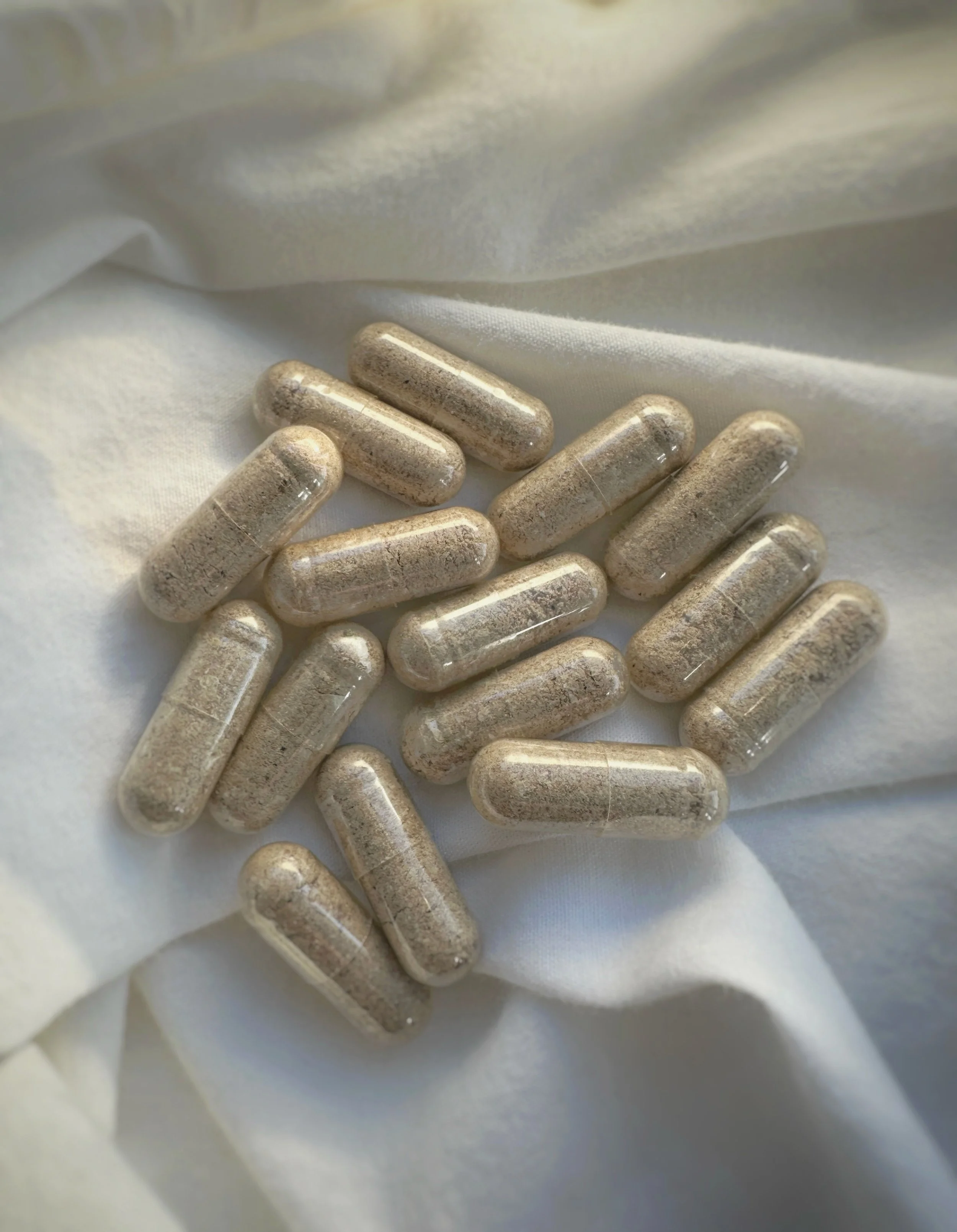
Beef liver, whether as food or in carefully sourced capsules, can be a powerful whole-food support for iron balance because it doesn’t just offer iron in isolation. It naturally contains heme iron (readily absorbed), copper (critical for iron transport), vitamin A (supports mobilization of iron from storage) plus B12, choline, and other B vitamins that support red blood cell production and methylation
For many women, especially those who don’t tolerate high doses of isolated iron, a small, consistent amount of beef liver can act more like a nutrient “orchestra” than a single instrument. It supports the entire system that manages iron, not just the iron number itself.
However, there are important reasons I don’t automatically recommend liver for everyone:
Histamine sensitivity: Beef liver is naturally higher in histamine. If you notice flushing, itching, anxiety spikes, or headaches after leftovers, fermented foods, or cured meats, liver may not be your best friend. In women with histamine-related symptoms, I typically avoid regular beef liver and look for other ways to replenish cofactors.
Very high ferritin or known iron overload: In women whose labs suggest iron overload (not just “high normal” but clearly elevated), we usually focus on lowering inflammation, supporting detox, rather than adding more iron-dense foods or supplements.
Pregnancy and vitamin A: Liver is rich in preformed vitamin A. While vitamin A is essential, excess in pregnancy can be problematic, so this is not something to self-experiment with. Any use in pregnancy should be carefully discussed with a provider who understands both vitamin A physiology and your personal health context.
Because of these nuances, I treat beef liver as a targeted tool, not a universal “must.” For the right woman, at the right time, it can be an elegant way to support iron, copper, and vitamin A together. For others, particularly those with histamine issues, it’s something we intentionally skip.
Checkpoint Four: The Functional Data that Reveals the Story
When I work with clients virtually, labs trends tell me far more than a single iron number. I assess patterns, how markers move together, not in isolation.
Key Markers & Why They Matter
Oxygen delivery: Hemoglobin, Hematocrit, RBC count > Reflects how much oxygen your blood can carry
Iron status: Serum Iron, Transferrin, TIBC, % Saturation > Shows how much iron is circulating
Storage: Ferritin > Indicates reserves (but can rise from inflammation)
Digestion: Total Protein, ALP, AST/ALT, WBC > Reveals stomach acid and absorption efficiency trends
Inflammation: CRP or hs-CRP > High = hepcidin likely elevated
Cofactors: Copper, Vitamin A, Vitamin C > Determines whether iron can be mobilized
From there, we build a root-cause roadmap rather than simply a supplement list.
The Takeaway
Low iron isn’t a clear sign that more iron is the answer, sometimes it’s just your body saying:
“I can’t absorb.”
“I’m inflamed.”
“I’m missing my partners — copper, vitamin A, and vitamin C.”
When you understand what your body is trying to tell you, you can finally stop chasing symptoms and start restoring balance.
If it’s been a while since your last labs or if you’ve been supplementing without results it might be time for a deeper look.
In my virtual functional medicine practice, I help women interpret their labs through a root-cause lens, so they can stop guessing and start feeling better.

You’ll receive a complete analysis of your markers plus a personalized roadmap to restore nutrient absorption, energy, and balance through the busy season and beyond.
No more guessing, just clarity, context, and calm.
About Magda Hjalmarsson
Magda Hjalmarsson is a certified functional medicine practitioner and holistic nutritionist specializing in women’s hormone health, detoxification, and gut repair. She helps women decode their lab data, uncover the root causes behind fatigue, PMS, and inflammation, and rebuild their health through evidence-based, deeply nourishing protocols. Her work blends science and compassion — empowering women to understand their bodies, restore resilience, and feel vibrant again.
References
Mercadel L., et al. The Relation of Hepcidin to Iron Disorders, Inflammation and Anaemia. PLoS ONE. 2014;9(10):e109978. doi:10.1371/journal.pone.0109978.
Cheng H.L., et al. Iron, Hepcidin and Inflammatory Status of Young Healthy Overweight and Obese Women in Australia. PLoS ONE. 2013;8(7):e68675. doi:10.1371/journal.pone.0068675.
Collins J.F., Prohaska J.R., Knutson M.D. Metabolic Crossroads of Iron and Copper. Nutrients. 2010;2(12):1231–1266. doi:10.3390/nu2121231.
Zimmermann M.B., et al. Vitamin A supplementation in children with poor vitamin A and iron status increases hemoglobin concentrations. Am J Clin Nutr. 2006;84(4):1017–1023. doi:10.1093/ajcn/84.4.1017.
Stoffel N.U., et al. Iron absorption from supplements is greater with alternate-day than consecutive-day dosing in iron-deficient anemic women. Haematologica. 2020;105(5):1232–1239. doi:10.3324/haematol.2019.220830.
Malik Z.I., et al. Unlocking iron: nutritional origins, metabolic pathways, and emerging therapeutic targets. Front Nutr. 2025;2:1637316. doi:10.3389/fnut.2025.1637316.